Where deals fall apart most often
Not in talks with the buyer, but internally: the owners cannot agree among themselves on exit terms. We handle that part first — before going to market.
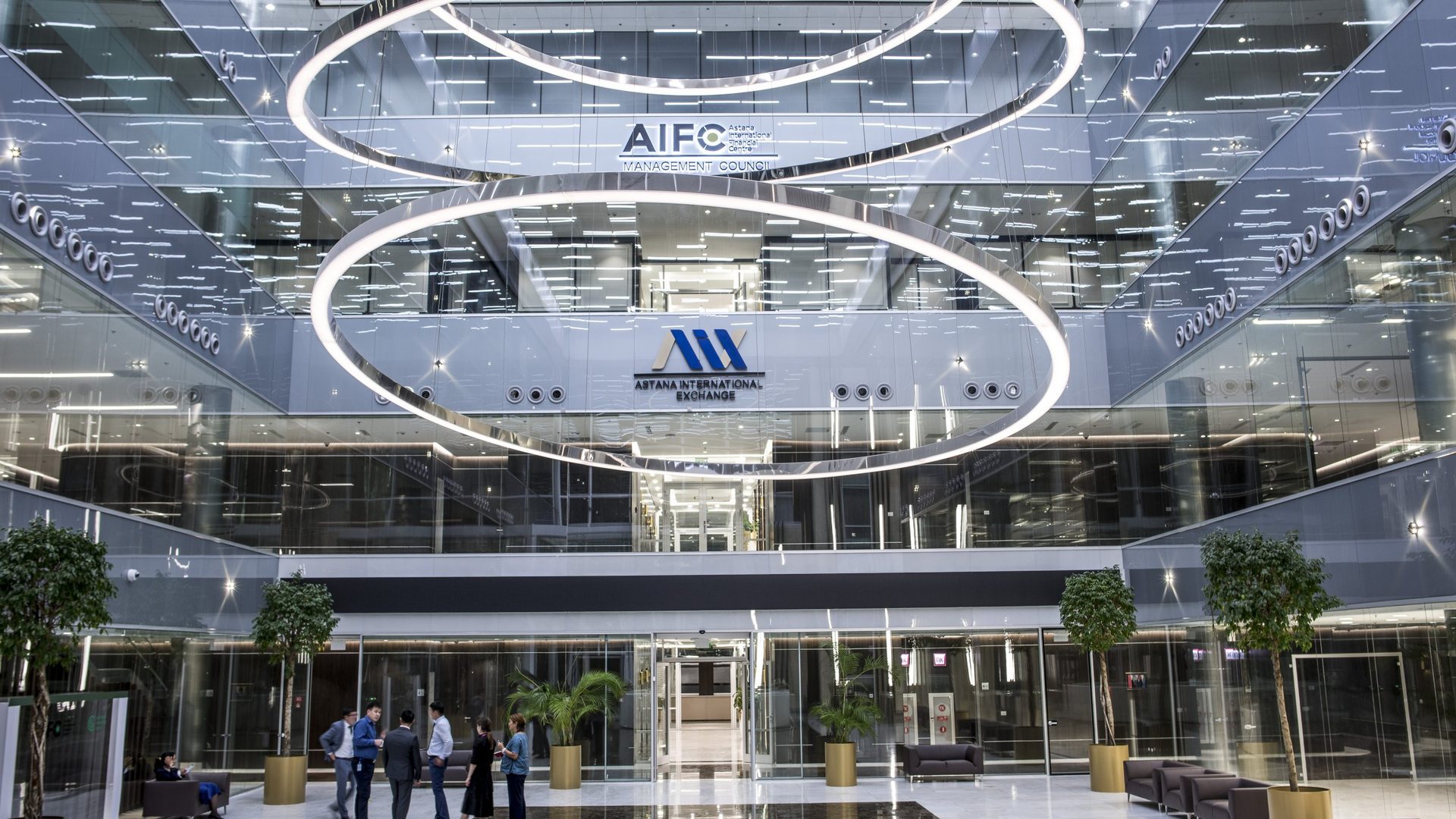
03— Investments and capital
Funding architecture for your model: debt, equity, a deal. Full cycle, as in an investment bank, but cheaper and with a stake in the outcome.
01 — Who this conversation is for
Growing the company's value and selling it are not in management's KPIs. The CFO answers for reporting and covenants, the CEO for the year's operating numbers. The decision to raise debt, dilute or exit is the shareholder's.
So in this track we go straight to the principal, bypassing tenders and procurement. And that is why the first meeting is closed.
02— Instruments
Every instrument is paid for with something: a rate, collateral, a share or control. Below is what is genuinely available in Kazakhstan and what you give up in each case.
| Instrument | What it gives | What you pay with | Share | Term |
|---|---|---|---|---|
| Damu subsidiesDebt | A rate well below market under targeted programmes | Targeted use and reporting | 1–3 mo | |
| Structured debt against receivablesDebt | Working capital without pledging core assets | A deposit of about 20% of the line — it comes back | 2–4 mo | |
| BondsDebt · KASE / AIX | Capital without dilution: private issues, then an SPV and the public market | A coupon and disclosure | 3–6 mo | |
| Venture, rounds A and BCapital | Money to grow and an investor who brings clients | A share and a board seat | 4–8 mo | |
| Pre-IPO and Exempt OfferCapital · AIX | A market valuation and liquidity for shareholders | A free float from 15% and public status | 6–12 mo | |
| M&A and exitDeal | Cash for the owner and a strategic buyer who takes the asset forward | The company or control in it | 6–12 mo | |
| AIFC holding and SPVStructure | English law, zero tax inside the perimeter, a clean company for the deal | Time to rebuild the perimeter | 2–4 mo |
Market insight.Lending against insured receivables is almost never done in Kazakhstan — not because it is forbidden, but because such a deal has to be assembled by hand, and banks simply do not offer it. The economics are different too: instead of «borrow three billion, repay three» you open a line and hold a deposit of about 20%, which comes back. We assemble deals like this.
03— How we sell an asset
The market charges around twenty thousand dollars to introduce you to a buyer. In that scheme he names the price. An auction changes the balance of power.
One buyer
The valuation is the one he named. After that the only question is how much the seller gives up.
The price is set by the buyer
A few, with no process
Talks run out of sync. Everyone learns the others' terms and lowers their own offer.
The price drifts down
Auction
One timeline, the same data pack, competition for the asset. The price rises and the founders' terms are protected in the contract.
Competition sets the price
Not in talks with the buyer, but internally: the owners cannot agree among themselves on exit terms. We handle that part first — before going to market.
The founders' terms are a separate subject of negotiation, not an appendix to the price. The role in the company, the horizon, the payout mechanics and what happens if targets are missed.
04 — Case
A maker of video conferencing devices. Four founders with different plans for the future: agreeing among themselves proved harder than finding a buyer. We aligned the terms so that all four agreed, and took the package to a strategic buyer.
bought by a strategic investor
stayed with the founders — together with operational control
What the deal structure delivered
The controlling stake went to the buyer, management stayed with the team. If the company lists, the founders additionally earn on the listed shares — which would not have happened had they sold the business outright.
On our own it would have fallen apart while the owners argued terms.
06— Process
In the first month we look inside and produce a top-level strategy: where to raise money, whom to approach, who finds you interesting for a deal. After that you decide.
We work through the model, the perimeter and the capital need. The output is a map of options: which instruments are available to you, who finds you interesting for M&A, what blocks a listing.
Packaged for a specific reader: a bank, a fund and a strategic buyer need different documents and different arguments.
An AIFC holding, an SPV for the issue, a tax perimeter. We build the structure before the talks — rebuilding it mid-deal is expensive and visible to the buyer.
Talks with banks, funds and strategic buyers, one timeline for everyone, closing and support for the founders' terms after the deal.
What we discuss in private only
This page carries the public part: instruments, process, timing. Everything about the structure of a specific deal, the tax perimeter and the parties' motivations is discussed privately. This is not a sales device: such things are not written on a page that your management and your counterparties also read.
Request for a closed session
We look at your situation and say which instruments are genuinely available given your structure and revenue. If none — we will say that too.